Table of Contents
Last Saturday’s dinner party almost killed me, and it wasn’t from cooking stress or cleaning panic. It was from jumping up every three minutes to refill someone’s wine glass, grab another beer from the fridge, or hunt down the coffee pot for someone who wanted decaf. By the time dessert arrived, I’d logged approximately seventeen trips to the kitchen and barely participated in any actual conversation.
I spent the entire evening playing drink server while my guests had lovely discussions about books and travel plans that I caught in scattered fragments between beverage runs. Meanwhile, my food got cold, my wine went unfinished, and I felt like hired help at my own dinner party.
The breaking point came when I realized I’d missed the entire story about my friend’s vacation disaster because I was in the kitchen making a second pot of coffee for one person who “doesn’t do regular coffee after 6 PM.” Standing there waiting for the coffee to brew while laughter floated in from the dining room, I had an epiphany about my terrible hosting strategy.
Why was I personally managing everyone’s beverage needs when these are all competent adults perfectly capable of pouring their own drinks? The answer was simple: because I hadn’t set up systems that made self-service obvious and convenient.
That’s when I decided to revolutionize my entertaining approach with a proper self-serve drink station that would let me actually participate in my own gatherings instead of being the perpetual beverage butler.
The Personal Drink Service Trap
Here’s what nobody warns you about hosting dinner parties: if you don’t create systems for guests to help themselves, you become a full-time server in your own home. Every empty glass becomes your personal responsibility, every beverage preference becomes your problem to solve immediately.
The traditional hosting advice makes this worse by emphasizing attentive service as the mark of good hospitality. You’re supposed to anticipate needs, keep glasses full, and somehow do all of this while also preparing food, managing conversation, and enjoying your own party. It’s completely unrealistic for normal humans who don’t have actual serving staff.
Meanwhile, your guests often feel guilty about requesting refills or different beverages, creating this weird dynamic where everyone’s slightly uncomfortable. You’re stressed about drink management, they’re worried about being demanding, and nobody’s having as much fun as they could be.
The worst part is missing your own party while you’re in the kitchen playing bartender. You invited these people because you enjoy their company, but you end up spending more time in beverage prep than actually socializing with them.
The Self-Serve Drink Station Revolution
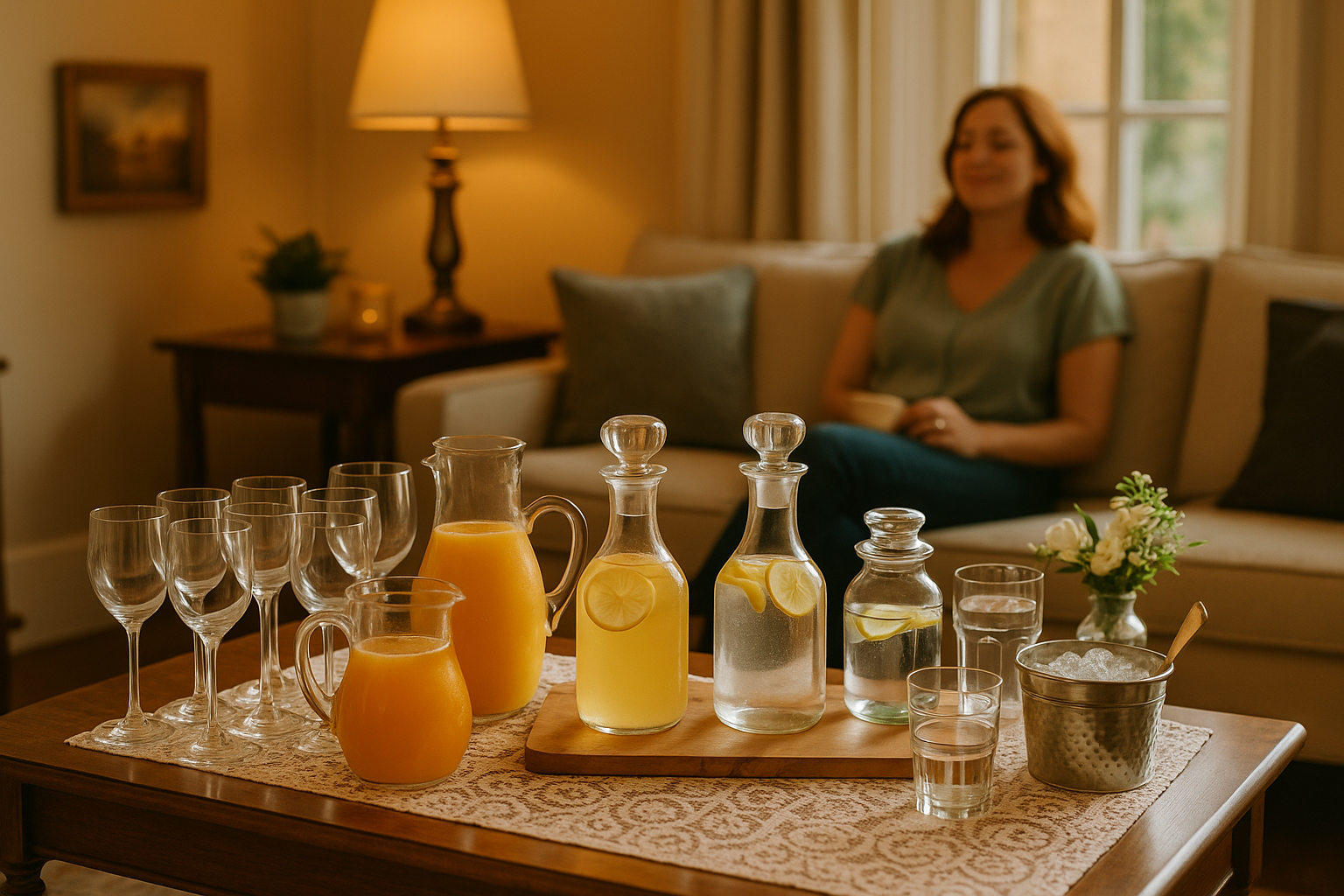
My first experiment with a dedicated self-serve drink station was honestly transformative. Instead of keeping all beverages in the kitchen where I had to retrieve and serve everything personally, I set up one table with drinks, glasses, ice, and everything needed for guests to handle their own refreshment needs.
The results were immediately obvious. Guests could refill their own glasses, try different beverage options, and adjust their drinks to personal preferences without interrupting conversation or making me jump up constantly. I actually got to finish my own dinner while it was still warm.
This self-serve drink station approach works because it eliminates the bottleneck of having one person responsible for everyone’s beverage needs. Instead of host-dependent drink service, you create independent access that keeps everyone satisfied while freeing you to actually enjoy your own gathering.
Setting Up Your Self-Serve Drink Station System
Step 1: Choose Your Station Location and Setup
Select a table or surface that’s easily accessible from your main entertaining area but not in the direct flow of traffic. I use a side table in our dining room that’s convenient but doesn’t create congestion during the meal service portion of gatherings.
The surface needs to accommodate multiple beverage options, glassware, ice bucket, and small serving accessories without looking cluttered. A folding table covered with a nice tablecloth works perfectly if you don’t have dedicated furniture for your self-serve drink station.
Position your station where it’s obvious and inviting rather than hidden or tucked away where guests might not notice it. The goal is making self-service so apparent that people naturally use it without needing instruction about your self-serve drink station setup.
Step 2: Stock Essential Beverages and Supplies
Include both alcoholic and non-alcoholic options to accommodate different preferences and dietary restrictions. I typically offer wine (one red, one white), beer, sparkling water, regular water, and one non-alcoholic specialty option like flavored sparkling water or a pitcher of infused water for my self-serve drink station.
Provide appropriate glassware for each beverage type – wine glasses, beer glasses, and water glasses at minimum. Having the right glasses available encourages people to use your self-serve drink station rather than asking you to find appropriate drinkware for them.
Ice is crucial for any effective self-serve drink station. Use an attractive ice bucket or large bowl with tongs or a serving spoon. Nobody wants to dig ice out with their hands, and proper serving tools make the whole station feel more intentional and sanitary.
Step 3: Create Visual Appeal and Organization
Arrange your self-serve drink station attractively rather than just dumping everything on the table randomly. Use different heights – elevate some items on small boxes covered with your tablecloth, or use cake stands to create visual interest and better access.
Add small decorative elements that complement your overall party theme. Fresh flowers, attractive napkins, or even just good lighting can transform a functional self-serve drink station into something that enhances your party atmosphere rather than looking utilitarian.
Label beverages if necessary, especially if you’re offering specialty items or multiple wine varieties. Small tent cards or even just sticky notes help guests make informed choices at your self-serve drink station without having to ask you for details about every option.
Step 4: Provide Necessary Accessories and Tools
Include wine opener, bottle opener, and cocktail napkins at your self-serve drink station so guests can access everything they need independently. Nothing defeats the purpose faster than people having to hunt you down for basic tools to open their chosen beverages.
Small plates or bowls for garnishes like lemon slices, olives, or other drink accessories make your self-serve drink station feel complete and professional. Even basic garnish options elevate the whole experience and give guests more control over their beverage preferences.
Keep a small towel or cloth napkins available for spills and condensation cleanup. This prevents water rings on your furniture and gives guests a way to handle minor accidents without involving you in every small mishap at the self-serve drink station.
Step 5: Strategic Refilling and Maintenance
Plan your refilling strategy so the self-serve drink station stays well-stocked without requiring constant attention from you. I do one major restock midway through gatherings and keep backup supplies easily accessible for quick additions as needed.
Designate specific spots for empty bottles and used glasses near your self-serve drink station. This prevents mess accumulation and makes it easier for you or helpful guests to clear away finished items without disrupting the organized appearance.
Train yourself to do quick visual checks of your self-serve drink station when you’re up for other reasons rather than making special trips. This maintains the station without turning you back into a beverage servant, which defeats the entire purpose of the self-service approach.
Essential Supplies for Drink Station Success
Basic Equipment and Containers
Invest in an attractive ice bucket that complements your entertaining style – basic metal or acrylic ones cost around $15-25 and instantly make your self-serve drink station look more professional. The investment pays off in reduced hosting stress and better party atmosphere.
A variety of appropriate glassware is crucial for self-serve drink station success. You don’t need expensive sets, but having wine glasses, beer glasses, and water glasses available prevents guests from having to use inappropriate drinkware or ask you for alternatives.
Serving trays help organize your self-serve drink station and make it easier to transport items back and forth during setup and cleanup. Basic decorative trays from discount stores cost around $8-15 and significantly improve both function and appearance.
Organizational and Decorative Elements
Small serving tools like cocktail napkins, stirrers, and bottle openers should be attractively displayed at your self-serve drink station rather than scattered randomly. Basic bar tool sets cost around $10-20 and provide everything needed for independent beverage service.
Attractive pitchers for water or specialty non-alcoholic drinks make your self-serve drink station look more intentional and professional. Glass pitchers cost around $12-18 and can be used for multiple types of beverages depending on your party needs.
Consider investing in drink dispensers for larger gatherings where pitchers might be insufficient. Basic beverage dispensers cost around $20-30 and handle high-volume self-serve drink station needs while looking attractive and professional.
Why Self-Serve Drink Stations Actually Work
Unlike traditional host-dependent drink service, self-service systems work with human nature rather than against it. Most people prefer controlling their own beverage consumption rather than having to request refills or ask for different options from busy hosts.
The independence factor eliminates guilt on both sides. Guests don’t feel demanding when they want another drink, and hosts don’t feel obligated to constantly monitor everyone’s beverage status. This creates more relaxed atmosphere where everyone enjoys themselves more.
Most importantly, self-serve drink stations let you participate in your own gatherings instead of missing conversations while managing beverage logistics. You invited these people for their company, and this system ensures you actually get to enjoy it.
Long-Term Benefits Beyond Individual Parties
Regular use of self-serve drink stations makes you a more confident and relaxed host because you’re not constantly worried about drink management logistics. When beverage service runs itself, you can focus on food, conversation, and actually enjoying your guests’ company.
Your gatherings develop a reputation for being relaxed and welcoming rather than formal and stressful. Guests appreciate the independence and often adopt similar systems for their own entertaining, creating a positive cycle of better hosting practices.
The approach scales perfectly for different gathering sizes and types. Self-serve drink stations work equally well for intimate dinner parties and larger casual gatherings, making it a versatile entertaining tool rather than a specialized technique.
Seasonal and Event Adaptations
Holiday gatherings can incorporate themed beverage options and decorations at your self-serve drink station without requiring additional hosting effort. Seasonal drinks like mulled wine or special holiday cocktails become more manageable when guests can serve themselves.
Summer outdoor parties benefit from self-serve drink stations because they eliminate trips between outdoor entertaining areas and indoor kitchens. Keeping beverages accessible where people are socializing improves the flow and enjoyment of outdoor gatherings.
Formal dinner parties can use elegant self-serve drink stations that enhance the sophisticated atmosphere rather than detracting from it. The key is choosing appropriate presentation elements that match your overall entertaining style and event formality level.
Managing Guest Expectations and Social Dynamics
Most guests actually prefer self-service options because it gives them control over their beverage choices and timing. They can refill when they want, try different options, and adjust their consumption without having to coordinate with a busy host.
If you’re worried about guests feeling like they’re not being properly served, frame the self-serve drink station as a convenience feature rather than a cost-cutting measure. Present it as giving them more options and control rather than you doing less work.
Some guests will naturally help maintain your self-serve drink station by clearing empty bottles or refilling ice. This creates a collaborative atmosphere where entertaining becomes a shared effort rather than one person’s overwhelming responsibility.
Advanced Techniques for Station Management
Learn to read your guest dynamics and adjust your self-serve drink station accordingly. Some groups need more guidance about self-service expectations, while others immediately understand and appreciate the independence it provides.
Create backup systems for high-demand items like ice and popular beverages so you can quickly restock your self-serve drink station without major interruption to your own party participation. Planning ahead prevents crisis management during gatherings.
Consider themed self-serve drink stations for special occasions that become conversation starters themselves. Wine tasting setups, signature cocktail stations, or seasonal beverage displays can enhance your party theme while maintaining the practical benefits of self-service.
This self-serve drink station approach costs minimal setup money, eliminates constant beverage service stress, and transforms your hosting experience from exhausting drink management to actual social enjoyment with your invited guests. Most importantly, it creates better gatherings where everyone is more relaxed and comfortable.
Give this system one party to prove its value, and you’ll never go back to playing beverage butler at your own gatherings. Your guests will appreciate the independence, you’ll actually get to participate in conversations, and everyone will have more fun when the host isn’t constantly jumping up to manage drink logistics.
Because life’s too short to spend your own dinner parties running drink refill marathons while your food gets cold and you miss every interesting conversation, constantly jumping up to serve beverages to capable adults who are perfectly able to pour their own wine if you just give them the tools and opportunity to do so instead of turning yourself into unpaid wait staff at gatherings you’re supposed to be enjoying.