Table of Contents
Tuesday evening last week, I’m expecting my book club in an hour when I walk into our living room and get hit with a smell that can only be described as “salmon dinner meets teenage boy’s gym bag with undertones of wet dog.” The lingering aroma from last night’s fish dinner had apparently decided to take up permanent residence in our home, and no amount of opening windows was making a dent in the olfactory disaster.
My husband cheerfully suggested we “just tell people we had fish for dinner,” which is exactly the kind of logic that explains why I handle most social situations in our household. You don’t greet book club members with explanations about why your house smells like a seafood restaurant’s dumpster area.
I had fifty-three minutes to transform our home from smelling like a marine biology experiment into something that wouldn’t make guests question our basic housekeeping competence. Opening windows wasn’t working fast enough, and air freshener spray just created this weird chemical-fish hybrid that was somehow worse than the original problem.
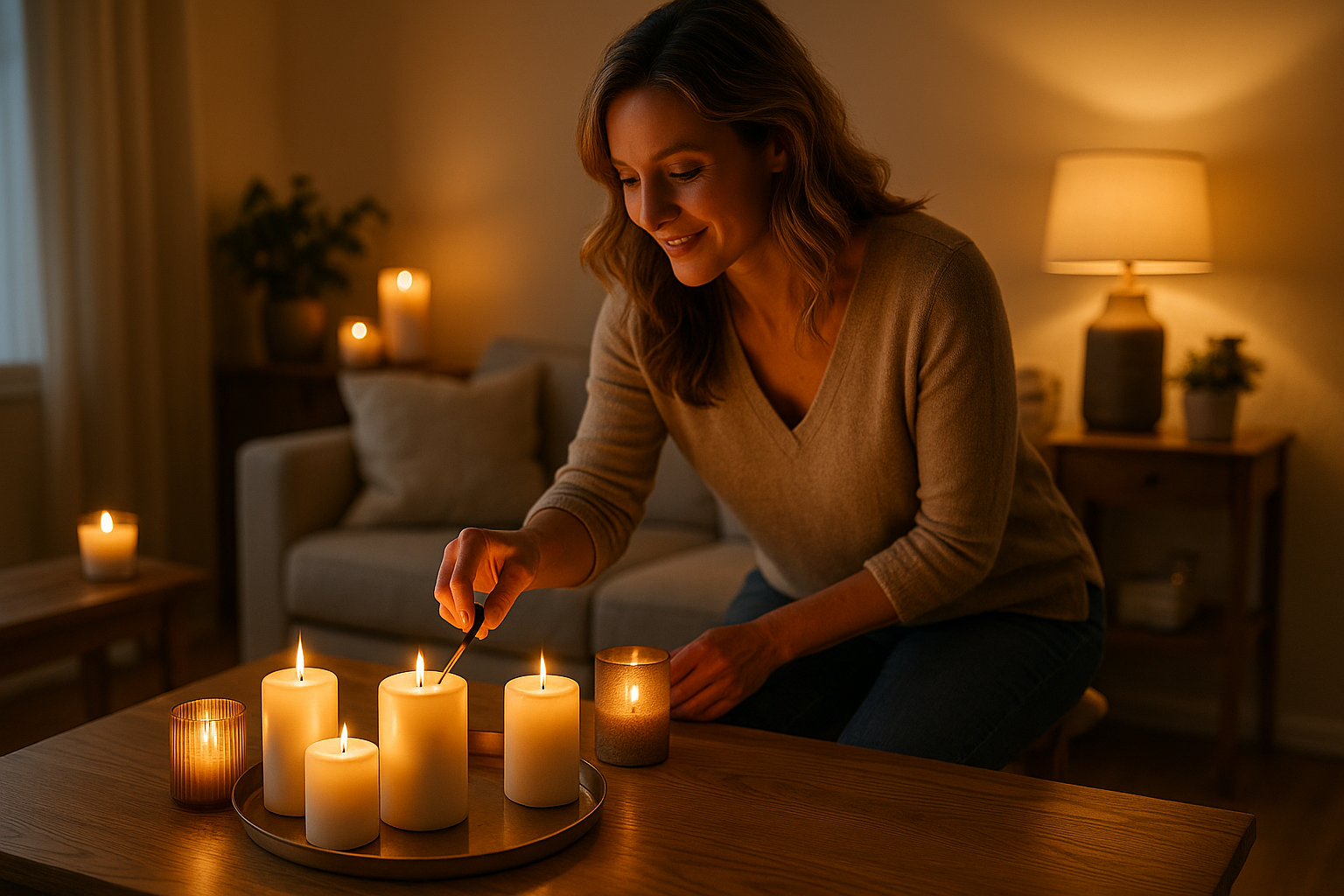
That’s when pure desperation drove me to light every scented candle we owned, scattered throughout the house like I was conducting some kind of aromatherapy seance. Standing in my kitchen surrounded by flickering candles, I felt slightly ridiculous but completely desperate for a home scent emergency solution.
The Lingering Odor Nightmare Problem
Here’s what nobody warns you about cooking strong-smelling foods: the aromas don’t politely disappear when you finish eating. Fish, garlic, onions, and certain spices take up residence in your home and refuse to leave, even when you’ve cleaned every dish and wiped down every surface.
The problem compounds when you’re expecting guests and suddenly notice smells that you’d stopped detecting because you live with them constantly. That salmon from two nights ago that seemed fine at the time suddenly smells like evidence that you’ve abandoned basic kitchen hygiene standards.
Air freshener sprays often make things worse by creating layered odor disasters – now you have fish smell AND artificial “Spring Meadow” competing for dominance in your living space. The combination is usually more offensive than the original problem, creating complex scent profiles that suggest serious household dysfunction.
Meanwhile, opening windows and hoping for the best rarely works fast enough for home scent emergency situations. You need immediate odor transformation, not gradual air circulation that might eventually address the problem sometime after your guests have already formed permanent opinions about your housekeeping standards.
The Strategic Candle Home Scent Emergency Solution
My book club candle experiment was honestly miraculous. Within thirty minutes of lighting multiple scented candles throughout our main living areas, the fish dinner disaster had been completely transformed into warm, welcoming home atmosphere that smelled intentionally cozy.
The key was using enough candles to create actual scent coverage rather than just hoping one candle in the corner would magically fix everything. I lit candles in the living room, dining room, kitchen, and entrance hall – basically anywhere guests would be spending time during our home scent emergency recovery.
This approach works because scented candles don’t just mask odors – they actually compete with and overwhelm existing smells while creating positive associations with warmth, comfort, and thoughtful hosting. Instead of covering up problems, you’re creating new, more pleasant scent environments.
Setting Up Your Home Scent Emergency System
Step 1: Build Your Candle Arsenal
Keep a variety of scented candles strategically placed throughout your home so you can quickly implement home scent emergency protocols when needed. I maintain candles in the living room, kitchen, dining room, and main hallway for maximum coverage potential.
Choose candles with strong but pleasant scents that work well together – vanilla, cinnamon, fresh linen, or seasonal options like apple spice or pine. Avoid competing fragrances that create confusing scent combinations during your home scent emergency interventions.
Stock up on quality candles when they go on sale rather than buying cheap ones that barely produce detectable fragrance. Better candles cost $8-15 each but actually work for home scent emergency situations, while cheap ones are basically decorative items that smell like nothing when you actually need scent coverage.
Step 2: Strategic Placement and Timing
For effective home scent emergency management, light candles at least 30-45 minutes before guests arrive. This gives the fragrance time to properly distribute throughout your space and create convincing atmosphere rather than obviously desperate odor-masking attempts.
Place lit candles in central locations where air circulation will help distribute the scent – not tucked in corners where they’ll create isolated fragrance pockets. The goal is comprehensive home scent emergency coverage, not random pleasant spots surrounded by problem areas.
Use multiple smaller candles rather than relying on one large candle to handle your entire home scent emergency. Distributed fragrance sources create more even coverage and faster results than hoping one candle can transform your entire home’s atmosphere.
Step 3: Safety and Maintenance Protocol
Always place candles on stable, heat-resistant surfaces away from curtains, papers, or anything that could create fire hazards during your home scent emergency response. Desperation about house smells shouldn’t lead to actual house fires.
Keep matches or lighters easily accessible in multiple locations so you can quickly implement home scent emergency protocols without hunting around for lighting supplies when time is critical and guests are already en route.
Never leave lit candles unattended, even during home scent emergency situations. Assign someone to monitor and extinguish candles when they’re no longer needed, or use timer systems to remind yourself about ongoing candle management.
Essential Supplies for Scent Emergency Success
Candle Selection and Storage
Invest in quality three-wick candles for main living areas – they provide better scent throw and faster results for home scent emergency situations. Bath & Body Works, Yankee Candle, or similar brands cost $15-25 but actually work when you need reliable fragrance coverage.
Keep emergency candles in sealed containers to preserve their scent potency until needed. Old candles that have lost their fragrance won’t help during home scent emergency crises, so proper storage maintains your scent emergency preparedness.
Maintain backup candles in different scent families so you can choose appropriate fragrances for different home scent emergency scenarios. Light, fresh scents work well for cooking odor situations, while warmer scents handle general mustiness or staleness effectively.
Lighting and Safety Equipment
Quality lighters or long matches are essential for home scent emergency preparedness. Keep them in designated spots throughout your home so you can quickly access lighting tools without wasting precious time hunting for supplies during odor crises.
Candle holders, plates, or other protective surfaces should be readily available wherever you might need to place emergency candles. Having proper safety equipment accessible prevents damage to furniture and reduces fire risks during urgent home scent emergency responses.
Consider investing in flameless candle warmers for areas where open flames aren’t practical but scent coverage is still needed. These cost around $15-25 and provide fragrance without safety concerns during extended home scent emergency situations.
Why Strategic Candle Use Actually Works
Unlike air fresheners that create artificial chemical smells, quality scented candles produce warm, natural fragrances that guests associate with welcoming homes and thoughtful hosting rather than obvious odor-covering attempts during home scent emergency situations.
The multiple sensory elements work together – flickering light creates cozy atmosphere while pleasant scents transform the entire sensory experience of entering your home. This comprehensive approach addresses both the odor problem and the overall ambiance during home scent emergency recovery.
Most importantly, candles suggest intentional hospitality rather than emergency damage control. Guests assume you’ve created welcoming atmosphere for their benefit, not that you’re desperately trying to mask household disasters through strategic home scent emergency management.
Long-Term Benefits Beyond Emergency Situations
Regular candle use makes your home consistently welcoming rather than occasionally pleasant, reducing the frequency of true home scent emergency crises. Proactive fragrance management prevents small odor problems from becoming major hosting disasters.
Your home develops a signature scent that guests recognize and associate with pleasant experiences at your house. This creates positive anticipation for visits rather than worry about what odor situations they might encounter.
The ambiance factor improves every gathering even when there aren’t specific odor problems to address. Candlelight and pleasant scents make ordinary evenings feel more special and welcoming for both family and guests.
Seasonal and Situational Adaptations
Different cooking disasters require different home scent emergency approaches. Fish and seafood odors respond well to fresh, clean scents, while garlic and onion situations benefit from warmer, spicier candle fragrances that complement rather than compete with food aromas.
Holiday gatherings can incorporate seasonal candle scents that enhance celebration atmosphere while providing home scent emergency coverage if needed. Cinnamon, pine, or apple scents create festive environments that mask any underlying odor issues.
Summer entertaining might require lighter, fresher candle choices for effective home scent emergency management, while winter gatherings can handle richer, warmer fragrances that create cozy atmosphere regardless of underlying odor challenges.
Managing Guest Perceptions and Expectations
The key to successful home scent emergency management is making candle use appear intentional rather than reactive. Light candles early enough that they seem like planned ambiance rather than obvious last-minute odor control attempts.
Most guests appreciate thoughtful touches like pleasant scents and candlelight, so they’re unlikely to question your motives unless you’re obviously panicking about smell issues. Confident presentation makes people assume you’ve planned welcoming atmosphere rather than emergency odor management.
If someone compliments your home’s scent, take credit for thoughtful candle choices rather than explaining the home scent emergency situation that prompted the fragrance intervention. People remember pleasant experiences, not the disasters you prevented them from experiencing.
Advanced Scent Management Techniques
Learn which candle combinations work well together for comprehensive home scent emergency coverage. Some fragrances complement each other while others create confusing or overwhelming scent profiles that defeat your odor management goals.
Develop signature scent profiles for different seasons or occasions that guests recognize as part of your hosting style. This transforms emergency odor management into intentional ambiance creation that enhances your reputation as a thoughtful host.
Consider layering candles with other scent sources like essential oil diffusers or simmer pots for maximum home scent emergency effectiveness. Multiple fragrance sources create more comprehensive coverage than relying solely on candles for odor transformation.
Preventive Strategies and Maintenance
Cook strong-smelling foods earlier in the day when possible, allowing more time for natural odor dissipation before implementing home scent emergency protocols. Prevention reduces the intensity of scent management needed for successful hosting.
Maintain good ventilation habits during cooking to minimize the odor accumulation that creates home scent emergency situations. Exhaust fans, open windows, and proper air circulation prevent many scent disasters before they require candle intervention.
Regular cleaning of soft furnishings like curtains, upholstery, and carpets reduces odor retention that contributes to persistent smell problems requiring home scent emergency management for every gathering.
This home scent emergency approach costs under fifty dollars to establish, works within thirty minutes of implementation, and transforms potential hosting disasters into welcoming atmosphere that actually enhances your gatherings rather than just preventing embarrassment.
Give this candle strategy one emergency situation to prove its effectiveness, and you’ll never again panic about unexpected cooking odors ruining your hosting reputation when strategic fragrance management can turn disasters into intentional ambiance.
Because life’s too short to spend it apologizing for normal cooking smells that linger longer than expected, constantly worrying that your house smells like evidence of poor housekeeping when strategic candle placement can transform any odor disaster into welcoming ambiance that makes guests feel comfortable instead of questioning what happened in your kitchen last night.